
Let’s Make Ganesh Chaturthi Sustainable: A Guide to Eco-friendly Celebration
- Mansi Gupta
- No Comments
- 11 mins read
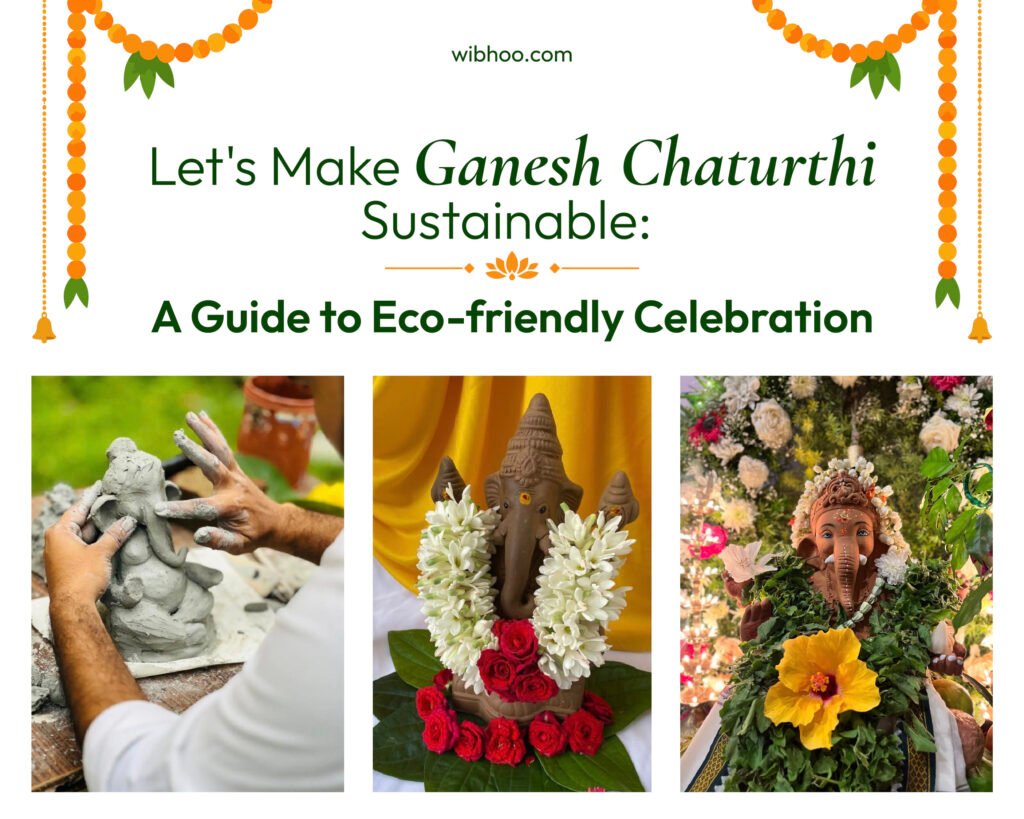
“..GANAPATHI BAPPA MORYA
MANGAL MURTI MORYA..!!”
Ganesh Chaturthi is a festival that pulses through the heart of India. It brings an undeniable energy. The thud of the dhol dhamaka, the aroma of freshly steamed modhaks, streets lit with vibrant decorations, the flowers and lights, and an overwhelming sense of community joy. For the number of days (3, 5, 7, 9, 11), Lord Ganesha, the harbinger of good fortune and the remover of obstacles, resides in our homes and public pandals.
As much as all the vibrance and colour brings life, we cannot deny that our beaches, lakes, rivers, and local ponds are left choked with toxic debris. Broken, undegraded Plaster of Paris (PoP) idols float ashore, waters turn murky with chemical dyes, and aquatic life suffocates under synthetic trash.
It is a painful contradiction: in honouring the deity who represents nature, wisdom, and harmony, we leave behind a trail of ecological destruction.
It doesn’t have to be this way, because we know it never was. To truly celebrate Bappa, we must rediscover the core philosophy of this festival. By understanding its origins, identifying where we went off course, and adopting conscious choices across every phase, from the idol’s arrival to its final visarjan, we can restore the sacred essence of an eco-friendly Ganesh Chaturthi.
Revisiting The Roots: How Ganesh Chaturthi Was Always Celebrated
Long before mass production, plastic decor, and chemical paints came along, Ganesh Chaturthi was inherently tied to the earth and the natural seasonal cycles.
Historically, the festival marks a period during the late monsoon (August–September) when the agricultural season is in full swing. Traditional festivities were intimately connected to nature’s rhythm:
- Shadapana (Clay from the Earth): Originally, idols were crafted strictly out of Shalu clay or clay collected directly from nearby riverbeds. The idol was made from the earth, worshipped for a few days, and then immersed back into the exact same water bodies. The clay dissolved back into the mud within hours, completing a seamless natural cycle without altering the ecosystem.
- Flora as Worship (Patri Puja): The primary offerings to Lord Ganesha were never synthetic trinkets; they were 21 types of leaves and flowers known as Ekavinshti Patri. Leaves like Durva (Bermuda grass), Tulsi, Bel, Marigold, and Hibiscus formed the core of the rituals. These floral offerings possessed natural medicinal and therapeutic properties, symbolising a reverence for local botanical wealth.
- Community Connection: Lokmanya Tilak popularised the public celebration of Ganesh Chaturthi in the late 19th century as a social movement to unite people against colonial rule. The focus was on shared heritage, community gatherings, cultural performance, and mutual support.
The festival always followed a circular celebration with no harm to the environment – what was made from the soil returned to the soil.
A festival so sustainable, how did it progress to become so unsustainable now?
The short answer is ‘CONSUMERISM’
How We Lost the Essence
Over the last few decades, rapid urbanisation, commercialisation, and industrial convenience quietly detached the festival from its natural roots.
From what we identified, three major shifts transformed a sacred green ritual into an environmental hazard:
- The Rise of Plaster of Paris (PoP)
Shaadu clay requires time, skill, and careful drying. As the demand for larger and more intricate idols grew, sculptors turned to Plaster of Paris (calcium sulphate hemihydrate). PoP is lightweight, cheap, easily mouldable, and dries quickly. However, unlike natural clay, PoP does not dissolve in water easily. A PoP idol can take anywhere from several months to years to break down completely in a water body, floating as solid waste and severely depleting dissolved oxygen levels. - Synthetic Paints and Heavy Metals
To make idols look vibrant under bright pandal lights, natural plant juices and earth pigments were replaced with chemical enamel and synthetic paints. These paints contain toxic heavy metals such as lead, cadmium, mercury, and chromium. When immersed, these metals leach into natural water bodies, entering the food chain through fish and contaminated water, eventually posing health hazards to humans and wildlife alike. - Single-Use Plastics and Thermocol Decor
“Thermocol” (expanded polystyrene) became the default material for temporary mandaps and backdrops due to its low cost and rigidity. Thermocol is non-biodegradable and breaks down into toxic microplastics that persist in the environment indefinitely. Combined with plastic garlands, metallic tinsel, and disposable plastic cutlery used during large community feasts, the physical waste generated during the festival skyrocketed.
The reason we moved to them is simple: the rise in aesthetics, cheap materials, less time and lesser cost all contribute to where we are today!
What Conscious Choices To Make During The Festival
When the conventional is made unconventional, going back to the traditions feels harder. Ganapathi idols are the central focal point of Ganesh Chaturthi; choosing an eco-friendly idol sets the tone for the rest of the celebration. So here are some suggestions that will help you.
Shaadu (Clay) Idols
Shaadu clay remains the gold standard for eco-friendly idols. Extracted naturally, it dissolves completely in water within 30 minutes to a few hours without releasing toxins. Ensure the sculptor has used unpainted Shaadu clay or natural, water-soluble plant/earth pigments (like turmeric, multani mitti, geru, and indigo). Clay idols are generally heavier than PoP idols of the same size and have a slightly matte, earthy finish rather than a shiny gloss.
Tree/Plant Ganesha (Seed Idols)
A growing innovation in eco-conscious celebrations is the Tree Ganesha. Crafted using raw clay mixed with organic fertiliser and embedded with plant seeds (such as tomato, tulsi, marigold, or ladyfinger). Instead of carrying the idol to a river, immersion takes place right at home in a large flowerpot or garden bed. Over the next few weeks, the clay dissolves into soil, and the seeds sprout into a living plant, allowing the divine presence to remain in your home in the form of new green life.
Cow Dung Idols
Cow dung (Gau Maya) idols are gaining momentum across India. Made by blending dried cow dung powder with natural binders, these idols are lightweight, completely organic, and dissolve very rapidly in water. The resulting mixture acts as a rich bio-fertiliser for home plants and gardens. You can also use them for composting
Paper Mache and Upcycled Idols
Made from recycled paper pulp, water, and natural gum, paper mache idols are durable, lightweight, and break down naturally when immersed in warm water. They provide a viable alternative for larger idols where pure clay might be too heavy.
Reusable Metal or Stone Idols
If you prefer not to buy a new clay idol every year, adopt the ritual of a permanent idol. Use an idol made of brass, bronze, silver, or stone. Perform all traditional rituals with full devotion. For the visarjan, perform a symbolic jal abhishek or submerge the permanent idol briefly in a bucket of clean water, dry it with respect, and place it back in your pooja room for daily worship.
What Decor Can Be Done To Keep It Sustainable
No decor at Ganapathi’s arrival just dims the vibe of the festival, and adorning Lord Ganesha’s sanctuary is one of the most creative aspects of the festival. Apart from thermocol and plastic, here are some things we can use instead.
Swap Thermocol for Natural Fabrics
Ditch expanded polystyrene entirely. Instead, use natural textiles to build elegant backdrops:
- Cotton, Jute, and Dupatta Drapes: Layer colourful dupattas, sarees, or unbleached cotton drapes to create rich, textured backgrounds.
- Bamboo and Cane Structures: Use bamboo mats, cane screens, or wooden frames as structural backdrops. They offer a rustic, warm aesthetic finish.
- Banana Leaves and Paddy Stalks: Fresh banana leaves and rice paddy stalks provide a lush, traditional backdrop that is 100% compostable.
Floral and Botanical Decoration
Instead of plastic flowers and shiny foil garlands, lean entirely on nature:
- Fresh Flowers: Marigold, rose, jasmine, and hibiscus add natural colours and pleasant fragrance to the room. Post-festival, these flowers convert easily into rich compost or DIY natural dyes.
- Mango and Ashoka Leaf Torans: Thread fresh green leaves into traditional entryway door hangers to invite positivity and purify the air.
Paper Origami and Clay Crafts
Involve children and family members in crafting homemade decorations:
- Make paper fans, origami birds, and paper flowers using recycled chart paper or old newspapers.
- Use hand-painted terracotta lamps (diyas), clay pots, and brass artefacts to add an authentic lighting accent.
For offerings, consider going for
- Locally grown, undyed fresh flowers. Avoid flowers wrapped in single-use plastic netting.
- Choose pure, organic turmeric and chemical-free kumkum, because standard market powders often contain chemical dyes and synthetic oxides that irritate the skin and pollute water during washings.
- Choose natural charcoal-free dhoop sticks made from upcycled flower waste and essential oils rather than synthetic chemical incense that releases indoor air pollutants.
- Completely ban plastic plates, cups, styrofoam trays, and plastic spoons. Serve bhog on plates made from dried leaves (like Siali or Areca palm leaves) or fresh banana leaves or on steel plates, glasses and spoons.
- Prepare meals mindfully to minimise leftovers. Coordinate with local charities or food donation drives if you have excess cooked meals from public gatherings.
Visarjan Day: The Day To Bid Farewell Sustainably
Anant Chaturdashi, the final day of the festival, is emotionally charged. Bidding farewell to Lord Ganesha with chants of “Ganpati Bappa Morya, agle baras tu jaldi aa” should be a moment of reverence. Visarjan does not require dumping an idol into a natural ocean, lake, or river. The ritual signifies the spirit returning to the elements, which can be achieved cleanly at home or through managed municipal facilities. Some ways include,
1. At-Home Bucket Immersion
For small to medium-sized Shaadu clay or cow dung idols, at-home immersion is the most sustainable, peaceful, and respectful method available.
The Process:
- Fill a clean, large bucket, drum, or decorative vessel with fresh water.
- Perform the final pooja, aarti, and prasad distribution with your family.
- Lower the idol gently into the bucket with full devotion.
- Over 1 to 4 hours, the natural clay will dissolve completely, settling at the bottom as clean, soft mud.
- Pour the nutrient-rich water and mud mixture into your home garden beds, potted plants, or trees outside your building. Lord Ganesha quite literally becomes part of the earth nourishing your home.
2. Artificial Immersion Tanks
Many municipal corporations and civic bodies now build temporary, artificial water tanks specifically for visarjan. Immersion in designated artificial tanks keeps tonnes of non-dissolvable material and organic waste out of natural rivers, lakes, and oceans. It prevents coastal erosion and stops local fish populations from being poisoned by chemical residues. Check your local municipal guidelines ahead of time to find the nearest certified artificial immersion pond.
3. Segregation of Nirmalya (Floral Waste)
Nirmalya refers to the sacred floral offerings, leaves, garlands, and cloth used during the worship period. Never throw Nirmalya into the water body along with the idol. Remove all plastic threads, rubber bands, foil wrappers, and synthetic ribbons from the flowers. Separate the organic waste (Nirmalya) into dedicated collection bins set up by local civic bodies or environmental groups near immersion sites. Collect all the flowers and leaves from your pooja, shred them slightly, and add them to your home compost bin. Within a few weeks, your sacred offerings turn into rich, dark compost for your plants.
Community Power: Eco-Ganeshotsav for Sarvajanik Pandals
While individual households play a vital role, large public pandals carry immense influence. A single large pandal transition can prevent tonnes of waste and inspire thousands of visitors to make sustainable shifts in their own lives.
If you are part of a local pandal committee, here is how you can drive an Eco-Ganeshotsav:
- Cap Idol Heights: Extremely tall idols (over 10–15 feet) are difficult to craft purely out of clay, forcing sculptors to use PoP and metal frames. Keeping idols at manageable heights allows the use of natural Shaadu clay and enables safer, cleaner immersions.
- Enforce Zero-Single-Use-Plastic Rules: Mandate that all food vendors, stalls, and prasad counters around the pandal use reusable or compostable serving options exclusively.
- Install Dual Waste Sorting Bins: Provide clearly labelled bins for organic waste (nirmalya and food) and dry recyclables. Partner with local waste-picker cooperatives or municipal compost units to handle the collected material immediately.
- Manage Sound & Light Pollution: High-decibel sound systems and massive diesel generators cause severe noise and air pollution. Use energy-efficient sound systems operating within permitted decibel limits, plug directly into clean power grids, and replace diesel generators with battery backup solutions where possible.
Use your pandal space to showcase educational posters, run green workshops, and highlight eco-friendly lifestyle solutions to the thousands of devotees waiting in queue.
Returning to the Essence
When Lord Ganesha was originally sculpted from the mud of the earth, it was a reminder of life’s beautiful, cyclical nature: everything emerges from nature, thrives for a brief moment, and eventually returns to nature to nurture new life once more.
By making conscious choices, choosing clay over plaster, plants over plastic, and artificial tanks over polluted waterways, we honour both tradition and the planet. This Ganesh Chaturti, if you are new to starting your sustainable journey, start with Wibhoo, your sustainable marketplace.
This Ganesh Chaturthi, let us welcome Bappa into our homes with open hearts, vibrant energy, and a clean, sustainable footprint.
“..GANAPATHI BAPPA MORYA
MANGAL MURTI MORYA..!!”